As an Amazon Associate, NorthernPerch.ca earns from qualifying purchases. Links to products may be affiliate links, at no extra cost to you.
While most of Ontario is still thinking about summer, shorebird migration is already well underway. Adult sandpipers and plovers that finished nesting in the Arctic start showing up on Ontario mudflats as early as July, and by August the movement is in full swing, well before warblers, hawks, or waterfowl give any sign that fall is coming. If you only think of migration as a September and October event, August shorebirding is the easiest opportunity you're probably missing.
Why August Shorebird Migration Sneaks Up on People
Shorebirds breed fast and leave early. Once eggs hatch on the Arctic tundra, adults that failed to nest successfully head south almost immediately, often by late June or early July. Successful breeding adults follow through July and into August, frequently before their own young have finished growing flight feathers. Juveniles trail last, moving through Ontario from mid-August into September and often into early October. The result is a migration that peaks a full two months before most people start watching for fall birds, made up mostly of adults still finishing their post-breeding moult.
What to Look For
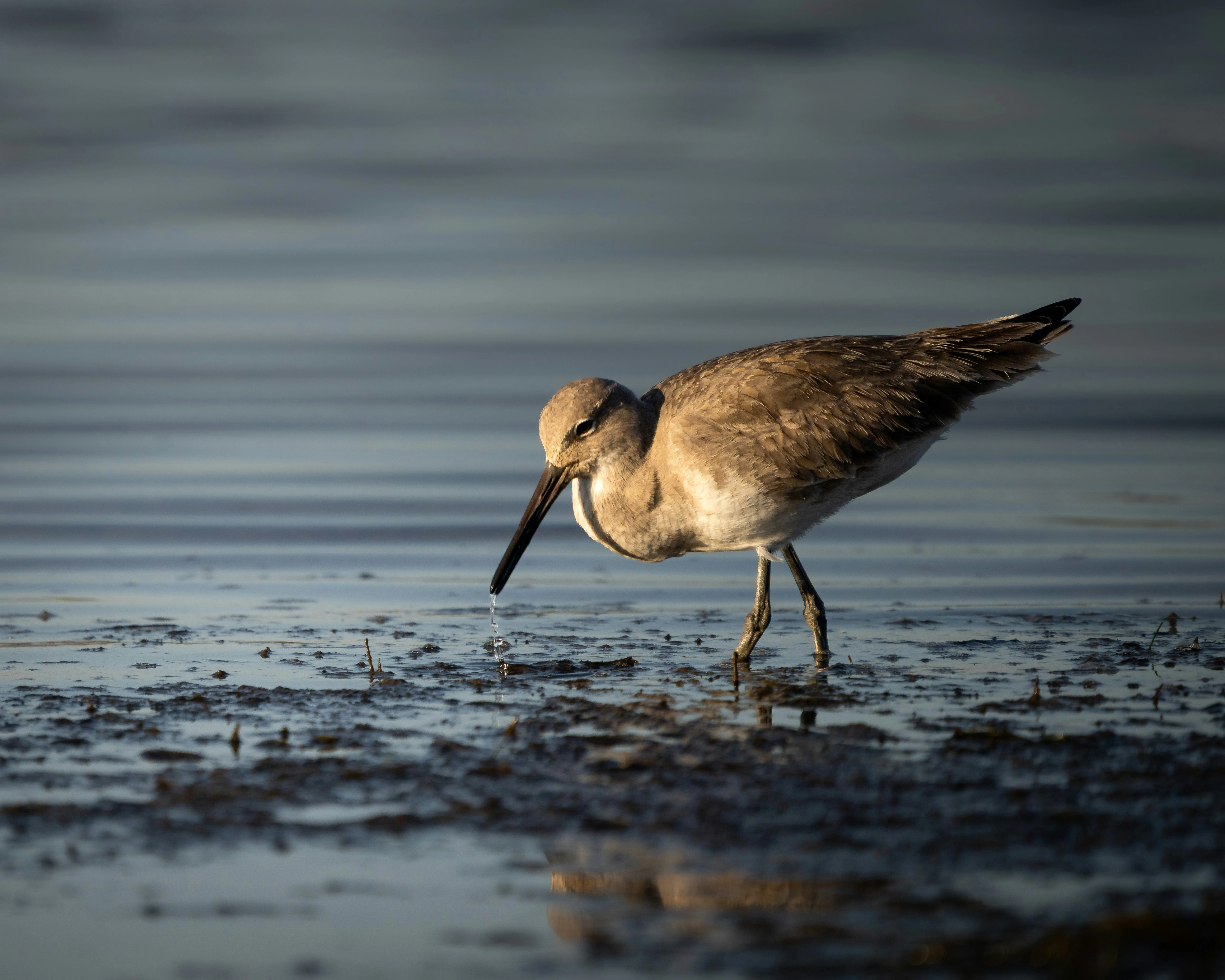
Small sandpipers dominate the August mudflats. Semipalmated sandpiper and least sandpiper are the two you'll see in the highest numbers, both tiny and easy to confuse at a glance, though least sandpiper shows yellowish legs against the semipalmated's black ones. Semipalmated plover, a smaller cousin of the killdeer with a single dark breast band, feeds alongside them. Greater and lesser yellowlegs stand out by their height and constant activity, wading through deeper water on bright yellow legs. Short-billed dowitcher and stilt sandpiper both probe mud with a steady sewing-machine motion, and pectoral sandpiper is worth watching for on grassy pond edges rather than open mud.
Adults in August still show worn traces of breeding plumage, while any bird with crisp, neatly edged feathers arriving later in the month is likely a fresh juvenile. Learning to separate the two is one of the more rewarding identification skills in shorebirding, since it tells you exactly where you are in the migration timeline without needing a calendar.
Where to Find Them in Ontario This Month
Shorebirds need exposed mud or very shallow water, so the best sites shift with water levels. Hillman Marsh Conservation Area in Essex County, near Point Pelee, is consistently one of the strongest spots in the province when its water levels are managed low enough to expose mudflats. Long Point, on the north shore of Lake Erie in Norfolk County, holds excellent shorebird habitat along its extensive beach and marsh system. On Lake Ontario, Presqu'ile Provincial Park is productive from Beach 4 to Owen Point, and in the Toronto area, Tommy Thompson Park on the Leslie Street Spit is a reliable stop. Windermere Basin and Dundas Marsh in Hamilton, along with Frenchman's Bay in Pickering, round out a strong list of Lake Ontario options.
One tip local birders rely on: sewage lagoons are often excellent for shorebirds through August, since they hold shallow, food-rich water that isn't tied to lake levels. Productivity typically drops off at most sites by September as water levels rise again, so August really is the window to prioritize.
Gear for Watching Shorebirds
Shorebirds spend most of their time well out on open mud or water, farther from shore than songbirds ever get, which makes a spotting scope a genuinely useful upgrade over binoculars alone. The Gosky Flagship DiamondEdge 20-60x80 Spotting Scope is a solid entry point at around $145 CAD, coming with a tripod and phone adapter included, if you're finding that distant peeps all blur together through 8x42 binoculars. We'll have a full guide to the best spotting scopes for birding in Canada up soon if you want a proper side-by-side comparison before buying.
Frequently Asked Questions
Why are shorebirds migrating in August if it's still summer? Shorebirds breed in the Arctic on a tight schedule and head south as soon as nesting is done. Adults that failed to breed successfully can leave by late June, with successful adults following through July and August, well ahead of the fall migration most people associate with September and October.
What's the difference between adult and juvenile shorebirds in August? Adults typically show worn, faded feathers left over from breeding plumage, while juveniles arriving later in the month have crisp, fresh, neatly patterned feathers. Seeing a fresh-looking bird later in August is a good sign it's a juvenile rather than an adult.
Do I need a spotting scope to see shorebirds well? Not strictly, but it helps enormously. Shorebirds often feed far out on open mudflats or shallow water, farther than most songbirds, and a scope makes fine identification details visible that binoculars alone will miss.
When does shorebird migration end in Ontario? Adult movement mostly wraps up by late August, but juveniles keep moving through September and into early October, so the full season runs considerably longer than the August peak alone.
Final Thoughts
August shorebirding rewards anyone willing to check a muddy pond edge instead of waiting for the more famous fall warbler push. Watch water levels at your local mudflats, learn to separate worn adults from crisp juveniles, and you'll have a genuine head start on the fall season everyone else is still waiting for. For the full picture of what moves through Canada from midsummer into November, see our guide to fall bird migration in Canada.